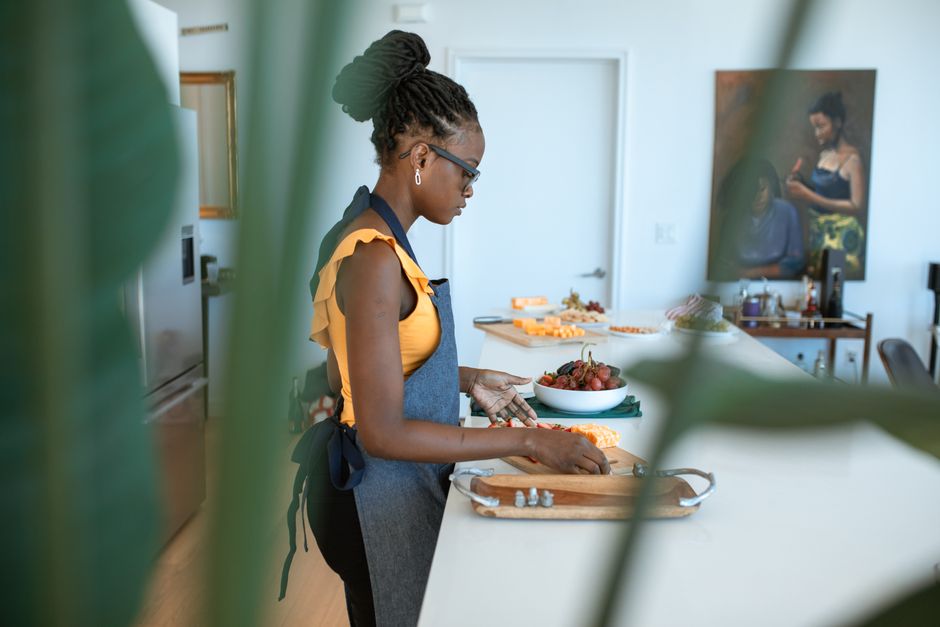
Esther had always loved cooking. Growing up in Lagos, she spent countless hours watching her grandmother prepare traditional Nigerian dishes. But it wasn't until she was 30 and facing financial strain that she considered turning her culinary passion into a side hustle.
With rising expenses and a stagnant salary, Esther knew she needed to find an additional income stream. She wondered if her skills in the kitchen could be the answer.
Identifying the Opportunity
Realizing the Potential
Esther's 'aha' moment came during a family gathering. Her Jollof rice and egusi soup were a hit, with relatives suggesting she start selling her dishes. The idea lingered, but doubts clouded her mind. Was it feasible? Could she balance it with her day job?
After researching online and speaking with friends, Esther discovered many were willing to pay for homemade meals, especially those too busy to cook regularly. This was her target market: busy professionals and young families.
Setting a Goal
Esther decided on a modest goal: to make an extra 50,000 Naira monthly from her cooking. This target was realistic and could cover additional expenses or savings.
Getting Started
Creating a Plan
She began by drafting a simple business plan. She listed potential costs like ingredients, packaging, and delivery. Esther also considered how she could differentiate her offerings. Her unique spin? A weekly meal plan featuring a variety of Nigerian dishes.
She set up a small budget of 20,000 Naira for initial expenses, ensuring she wouldn't stretch her finances too thin.
Branding and Marketing
Understanding the power of social media, Esther created an Instagram page, sharing vibrant photos of her dishes. She used popular hashtags and engaged with followers by sharing cooking tips and kitchen hacks.
"Consistency in posting and engaging with the audience is key," Esther notes.
Word of mouth also proved invaluable. Her satisfied customers became her marketers, recommending her meals to friends and family.
Overcoming Challenges
Balancing Time
Managing her full-time job with her side hustle was challenging. Esther dedicated her evenings and weekends to cooking, sometimes sacrificing leisure time. However, she found joy in the process, which kept her motivated.
Handling Logistics
Initially, delivery was a hurdle. Esther started with self-delivery but soon collaborated with a local delivery service, allowing her to focus on cooking.
The Financial Impact
Measuring Success
Within three months, Esther's side hustle was turning a profit. She exceeded her initial goal, making an additional 70,000 Naira monthly. She reinvested part of this into her business, allowing for growth and improved service.
Her success also taught her valuable lessons in budgeting and financial management, skills she applied to her personal finances.
The Bigger Picture
With her newfound income, Esther could afford personal luxuries without guilt and even started saving for a future culinary school course.
Conclusion
Esther's journey from enthusiast to entrepreneur showcases the power of turning a passion into profit. For many Nigerians, a side hustle isn't just a financial necessity but a pathway to personal fulfillment and growth.
If you have a skill or passion, consider the possibilities. Who knows where it might lead?