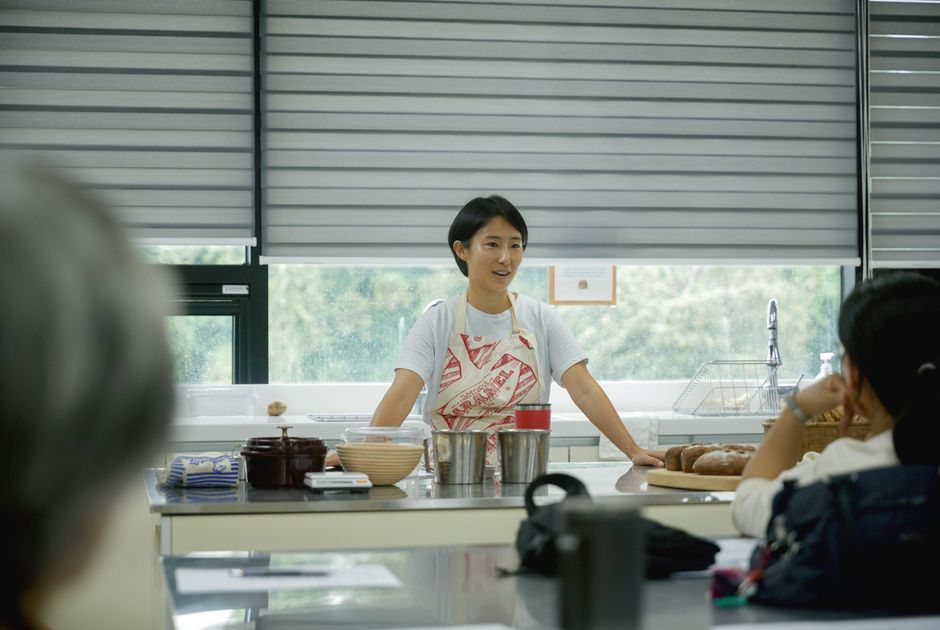
It was a typical Thursday evening in Lagos, and I was juggling my job, family, and the inevitable Lagos traffic. The hustle and bustle of city life can sometimes be overwhelming, but I found solace in the kitchen. Cooking had always been my escape, and one evening, as I whipped up my famous jollof rice, it hit me. Why not turn this passion into a side hustle? Little did I know, this spontaneous thought would lead to a 40% increase in my monthly income.
The Birth of the Idea
Like many Nigerians, I was seeking a way to supplement my income. My day job paid the bills, but there was little left for savings or the occasional splurge. I had attended a friend's small party a week before and watched as she effortlessly hosted a cooking class for her guests. The idea was captivating, and I couldn't shake it off. Could I do the same?
Identifying the Niche
I knew I needed a niche that resonated with people. Nigerian cuisine is rich and varied, and jollof rice was a universally loved dish. I decided to focus on teaching how to make authentic Nigerian dishes, starting with jollof rice and expanding as demand grew.
Setting Up the Side Hustle
Starting was less daunting than I had imagined. I began by informing friends and family of my new venture. Word of mouth is powerful, especially in tight-knit communities. I also leveraged social media, posting pictures and short videos of my cooking process.
Creating an Online Presence
Instagram and Facebook became my go-to platforms. I invested time in learning how to take appealing food photos and engaged with followers by sharing cooking tips. My follower count steadily increased, and soon some of my posts were getting shared beyond my immediate network.
- Consistent posting schedule
- Engaging with comments and messages
- Utilizing hashtags effectively
Monetizing the Classes
With a growing online presence, inquiries started pouring in. I offered both one-on-one and group sessions, and even online classes via Zoom for those who couldn't join in person. Charging modestly to start, I was able to attract a good number of students.
Pricing Strategy
I researched what others charged and kept my rates competitive while ensuring they reflected the value of what I was offering. Transparency was key, so I made sure my rates and what each class included were clearly communicated.
Overcoming Challenges
No venture is without its hurdles. I faced challenges like balancing time between my full-time job and the classes. Some days were overwhelming, but planning ahead helped mitigate potential stress.
Time Management
Creating a weekly schedule was my saving grace. I dedicated specific days for classes and strictly adhered to them to prevent burnout.
"Success is the sum of small efforts, repeated day in and day out." – Robert Collier
This quote became my mantra, reminding me that every effort, no matter how small, was a step toward success.
The Results
Within six months, my side hustle was not just a source of extra income, but a thriving small business. I had regular students, some even recommended me to their friends and family. I expanded my class offerings to include more Nigerian dishes like efo riro and egusi soup.
The Financial Impact
From my initial calculations, I noticed a 40% increase in my overall income. This additional income allowed me to save more, treat my family, and even invest further into improving the business.
Conclusion
Turning my passion for cooking into a side hustle was one of the best decisions I ever made. It not only supplemented my income but also allowed me to share my love for Nigerian cuisine with others. If you have a passion, I encourage you to explore how it might become a source of income. Who knows, it might just change your financial life like it did mine.